
Ceramic fire balls have become popular recently as a decorative and functional addition to gas fireplaces and fire pits. These small spherical objects are made from a variety of materials, including ceramics and refractory materials, and can come in a variety of colors, sizes and shapes. But how do ceramic fireballs work, and what makes them a practical heating element? This blog post will explore the science behind ceramic fireballs and their role in creating a warm and inviting atmosphere in your outdoor or indoor living space.
Ceramic fireballs may look like simple decorative elements, but they can enhance the warmth and ambiance of any fire feature. To understand how these fascinating spheres work, you need to understand the fascinating science behind them.
The secret lies in the unique properties of ceramic materials. Ceramic is a poor conductor of heat, so it is not easy to let heat pass through it. When ceramic fireballs touch fire, they absorb and slowly release heat, creating a comfortable and consistent warmth.
But how do these fireballs withstand the heat without cracking or fracturing? The answer lies in their composition. These balls are made of fire-resistant ceramics known for their excellent heat resistance and can withstand high temperatures without causing any damage. This makes them a durable choice for any fire protection feature, ensuring they will stand the test of time.
One of the main advantages of using ceramic fireballs is their ability to distribute heat evenly. As the fire heats the balls, they radiate heat outward in all directions. This even distribution ensures that the whole space creates a cosy and warm atmosphere, unlike traditional logs, which usually concentrate heat in specific areas.
In addition to its functional advantages, ceramic fireballs add an artistic touch to fireplaces and fire pits. They are available in a variety of colors and sizes and can be creatively arranged according to personal preference. The visual appeal they add to the flame feature creates an engaging focal point that makes gatherings and relaxing moments more enjoyable.
In addition, ceramic fireballs provide additional security compared to traditional logs. Since they do not produce sparks or emit smoke, the risk of fire accidents is greatly reduced. This makes them a popular choice for indoor fireplaces where safety is critical.
How do ceramic fire balls withstand heat?
Ceramic fireballs have an incredible ability to withstand and withstand high temperatures. This superior heat resistance is a key factor in its functionality and durability.
The composition of ceramic fireballs plays a crucial role in their heat resistance. These fireballs are made of fire-resistant ceramics that can withstand extreme temperatures. Refractory ceramics contain high levels of aluminum, silica and other heat-resistant compounds. This unique composition allows ceramic fireballs to withstand high temperatures without cracking or fracturing.
When exposed to fire, ceramic fireballs undergo a process called thermal expansion. As the temperature rises, the molecules within the ceramic material begin to move faster, causing the material to expand. However, due to the robustness of refractory ceramics, the expansion is uniform and controlled, preventing any structural damage to the fireball.
In addition, the heat resistance of ceramic fireballs allows them to maintain their shape and integrity even after prolonged exposure to high temperatures. They are resistant to wear and deterioration even under constant flame heat.
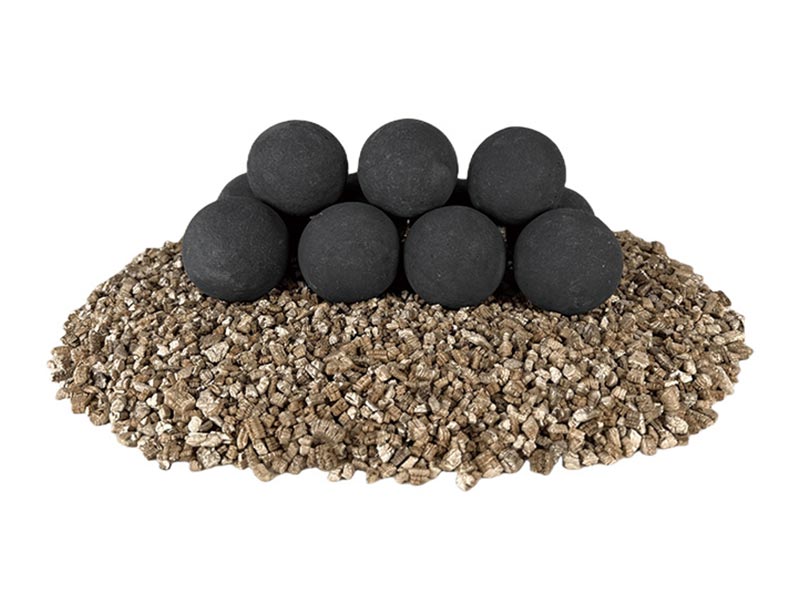
SUNTHERMCN & SUNTHERM provide exclusive services for your one-stop purchase of fireplace insulation materials, gas logs and other related accessories.SUNTHERMCN factory mainly producing and selling ceramic gas log/pebble/coal/ball/panel and other related products, widely used in a variety of gas, electricity, ethanol and other indoor and outdoor fireplaces and fire pits.